
Essential Tips for First-time Pool Owners in Fairfield County, CT
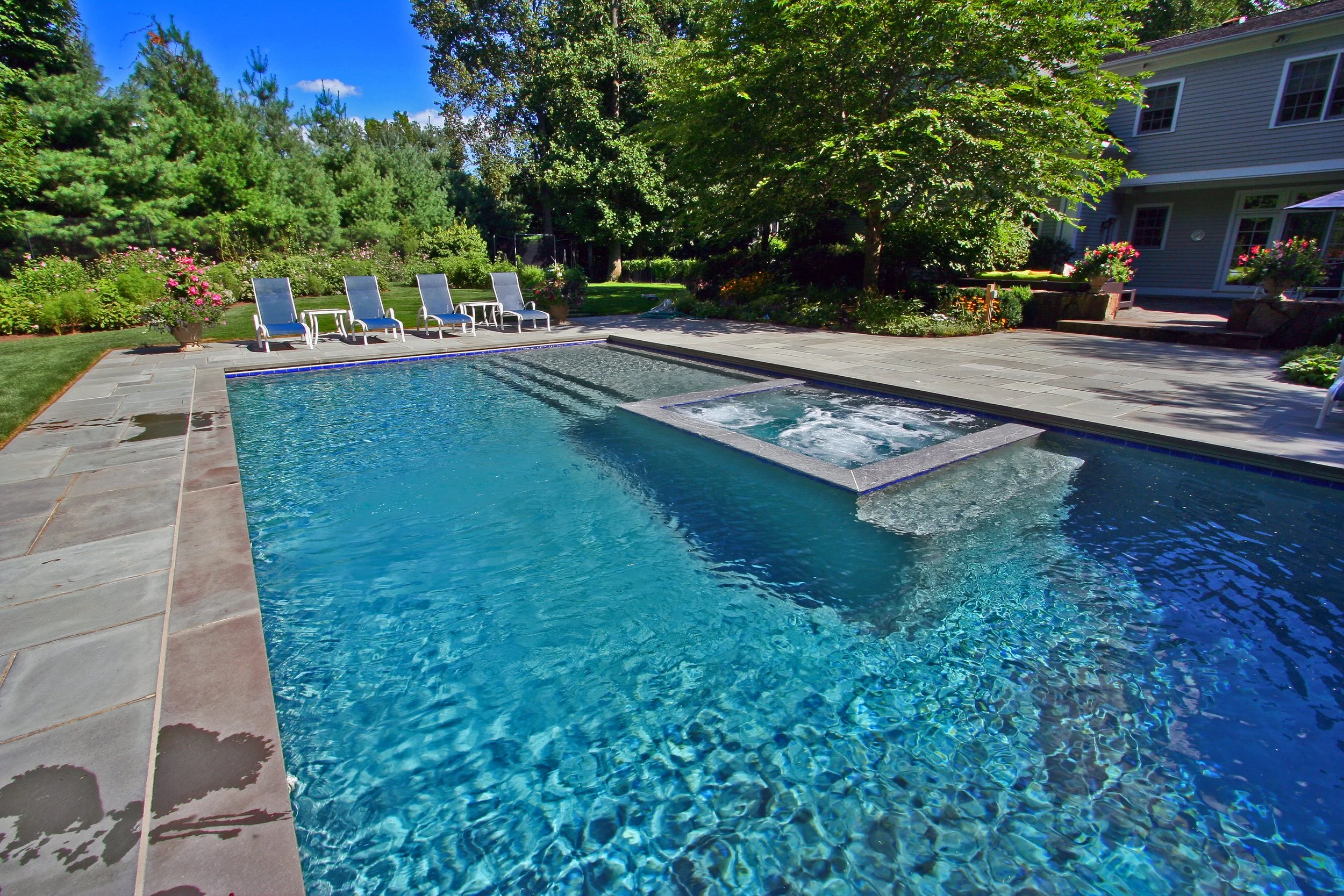
Everything you wish someone had told you before opening day.
Getting a pool is one of the best investments you can make in your home and your summers. But if you're a first-time pool owner, you've probably already discovered that a pool is also a responsibility, one that can feel a little overwhelming at first.
The good news? Pool ownership doesn't have to be complicated. With the right habits and a little know-how, keeping your pool clean, safe, and swim-ready becomes second nature. We've helped hundreds of homeowners across Fairfield County and Westchester County make the jump from brand-new pool owners to confident ones, and these are the tips we always share first.
1. Understand your water chemistry (it's simpler than it sounds)
Water chemistry is the foundation of everything. Get it right and your pool stays clear, your equipment lasts longer, and swimming is comfortable. Get it wrong and you're fighting algae, cloudy water, and irritated eyes all season.
The key numbers to know are: pH (aim for 7.4–7.6), chlorine (2–4 ppm for a clean, safe pool), alkalinity (80–120 ppm, which helps stabilize your pH), and calcium hardness (200–400 ppm). You don't need to memorize all of this immediately, but you do need to test your water regularly.
Don’t want to do it yourself? We handle weekly pool maintenance.
2. Brush, skim, and vacuum; every week without fail
A clean pool doesn't just happen because the chemicals are balanced. Physical cleaning is just as important, and skipping it for even a week or two can let algae get a foothold that's hard to shake.
Make it a weekly routine: skim the surface to remove leaves and debris, brush the walls and floor (especially corners, steps, and shaded areas where algae love to hide), and vacuum the bottom. If you have an automatic pool cleaner, it handles most of the vacuuming, but brushing is still a manual job that no robot does quite right.
Consistent physical cleaning also reduces the load on your chemicals. A cleaner pool simply uses less chlorine to stay balanced, which means lower chemical costs over the course of the season.
Schedule a consultation to book your pool maintenance contract.
3. Run your pump long enough; circulation is everything
Your pump is the heart of your pool. It circulates the water through your filter, distributes chemicals evenly, and keeps things moving so algae and bacteria don't settle in. If your pump isn't running enough, none of your other maintenance efforts will work as well as they should.
A general rule of thumb is to run your pump at least 8–12 hours per day during swim season. Many pool owners in Fairfield County and Westchester County run theirs overnight to take advantage of off-peak electricity rates, which is a smart move, especially if you have an older single-speed pump.
Speaking of pumps: if yours is more than 8–10 years old and runs at a single speed, it may be worth asking about an upgrade. Variable-speed pumps are dramatically more energy-efficient and can pay for themselves in reduced electricity bills within a season or two. It's one of the upgrades we recommend most often to new pool owners looking to reduce long-term costs.
4. Clean your filter consistently
Your filter does the heavy lifting of keeping your water clear by trapping debris, particles, and contaminants. But a clogged or dirty filter can't do its job, and over time, a neglected filter can damage your pump and lead to much bigger repairs.
There are three main types of pool filters: sand, cartridge, and diatomaceous earth (DE). Each has a different cleaning schedule and method. Sand filters are backwashed when the pressure gauge reads 8–10 psi above normal. Cartridge filters need to be removed and rinsed every few weeks. DE filters are backwashed and then recharged with fresh DE powder.
If you're not sure what type of filter you have or when it was last cleaned, that's a great question for your first service visit with us. Knowing your equipment is one of the best things a new pool owner can do, and we're always happy to walk you through it.
Contact us today and learn more.
5. Shock your pool regularly… especially after heavy use
Shocking your pool means adding a large dose of chlorine (or a non-chlorine shock) to burn off contaminants that regular chlorine levels can't handle on their own, things like sunscreen, body oils, sweat, and what's politely called "swimmer waste."
As a new pool owner, plan to shock your pool at least once a week during peak swim season. Shock after heavy rain (which dilutes your chemicals and introduces contaminants), after a big pool party, or any time the water looks dull, smells strongly of chlorine, or seems "off."
A strong chlorine smell doesn't mean you have too much chlorine, it usually means you have too little. That distinctive smell is actually chloramines, which form when chlorine binds with contaminants. A good shock will clear it right up.
6. Don't skip on opening and closing services
Here in Fairfield County and Westchester County, we get real winters. How you open and close your pool each year has a direct impact on how much you spend on repairs, chemicals, and equipment over the life of the pool.
A proper spring opening gets your water balanced, your equipment inspected, and your pool ready to swim. Skip it or rush it, and you may spend the first month of summer fighting algae and chasing a chemical balance that's completely off.
A proper fall closing is arguably even more important. Water left in your plumbing lines can freeze, expand, and crack pipes or fittings, repairs that can run into the thousands. Winterizing correctly (including proper water level, antifreeze in the lines, and a secure cover) protects everything you've invested in your pool.
Learn more about what goes into a professional pool opening and closing on our seasonal services page, and why it's one of the most cost-effective things you can do as a pool owner.
7. Get to know your equipment before something goes wrong
One of the best things you can do as a new pool owner is spend 15 minutes getting familiar with your equipment pad; your pump, filter, heater (if you have one), and any automation controls. You don't need to become a technician, but knowing where your shut-off valves are and what "normal" looks and sounds like can save you a lot of stress when something seems off.
Check your pressure gauge on your filter regularly. Know what your baseline reading is so you can tell when it's creeping up. Listen to your pump, a healthy pump hums quietly. Grinding, screeching, or air-gurgling sounds are your cue to call someone before a repair turns into a replacement.
If any of this feels unfamiliar, that's completely normal. Part of what a long-term pool partner does is make sure you understand your own equipment. We walk every new customer through their setup so nothing feels mysterious.
Your first-time pool ownership will be great!
Every experienced pool owner was once a first-time pool owner. The learning curve is real, but it flattens out quickly. Especially when you have the right support.
That's the whole idea behind Swimm Pools. We're not just here to show up when something breaks. We're your long-term pool partner, the team that keeps a consistent eye on your pool, catches small issues before they become expensive ones, and takes the guesswork out of maintenance so you can actually enjoy what you invested in.
Our flat-rate maintenance plans are especially popular with new pool owners for exactly that reason. You get professional weekly service, regular water testing, equipment checks, and the peace of mind of knowing exactly what you're paying
Curious about what a plan covers? Contact us today!