What a Professional Fall Pool Closing Checklist Includes at Swimm Pools
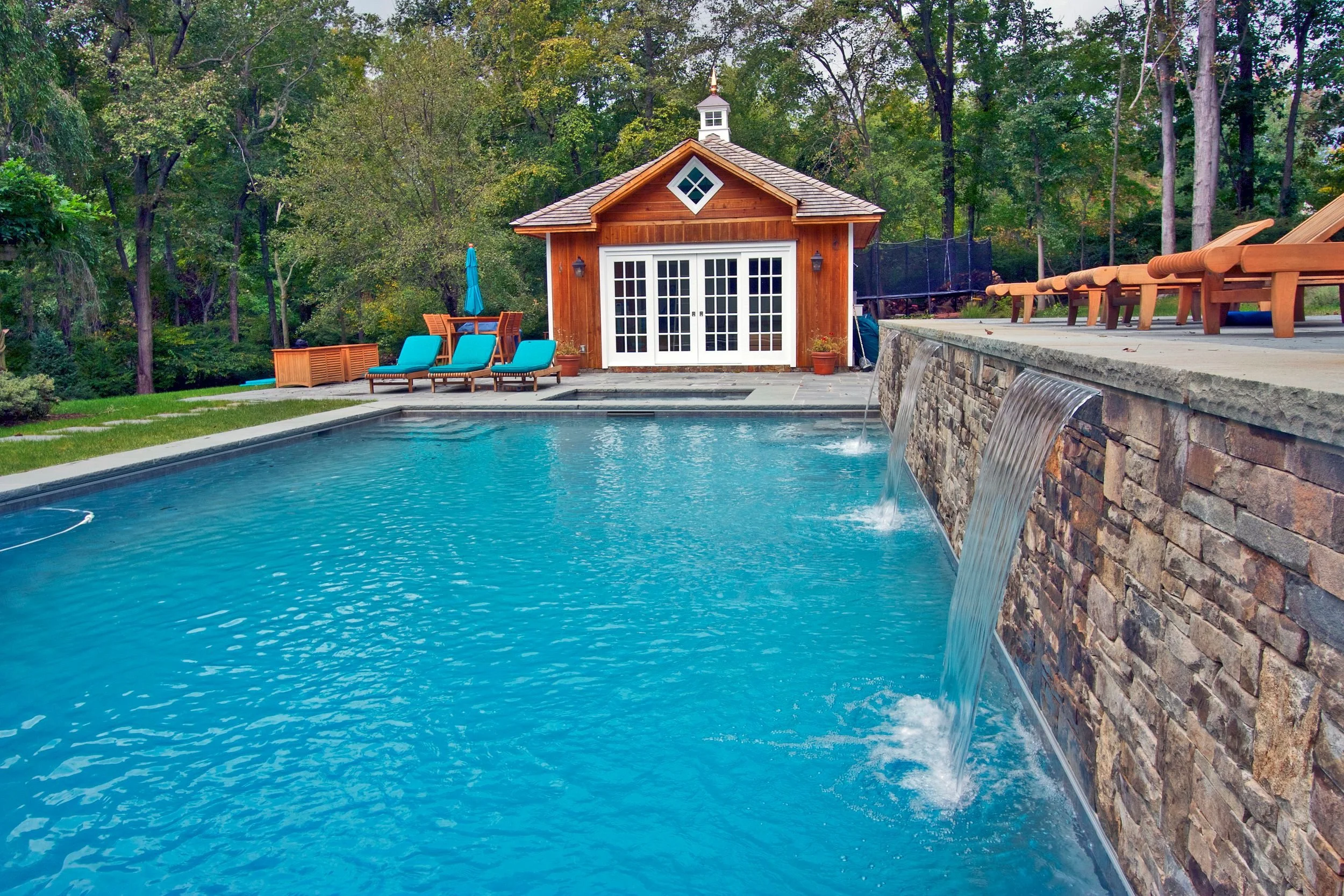
As summer winds down and schedules shift, it’s the ideal time to start planning your fall pool closing. A proper closing protects your pool, equipment, and investment through the colder months, and makes reopening far easier when spring arrives.
Homeowners across Fairfield County and Westchester County rely on a professional pool partner to handle this critical seasonal transition. While it may feel early, scheduling your pool closing in late summer or early fall ensures your pool is winter-ready before temperatures drop and service calendars fill up.
Below is a homeowner-friendly fall pool closing checklist that reflects exactly how Swimm Pools approaches professional pool closings, with expert oversight at every step.
When Should You Schedule a Pool Closing in Fairfield or Westchester County?
Across Connecticut and New York, most pools are closed between late September and early October. The right timing depends on weather patterns, landscaping, and your availability.
Key factors to consider, especially for luxury pools, include:
Water temperature: Once temperatures consistently fall below 65°F, algae growth slows, making it safer to close.
Surrounding trees: Properties with heavy leaf coverage often benefit from earlier closings.
Service availability: Waiting too long can mean limited appointment options—or rushing before a cold snap.
Scheduling your pool closing in advance allows for proper inspection, planning, and winterization without last-minute stress.
Schedule your pool closing today.
A Professional Fall Pool Closing Checklist (What to Expect)
At Swimm Pools, fall pool closing isn’t a single task. It’s a structured process designed to protect your pool and extend the life of your equipment.
Pre-Season Pool Inspection
Every professional pool closing begins with a thorough inspection. Before any winterization takes place, the pool’s condition is evaluated to identify potential maintenance or repair needs. This includes reviewing visible surfaces, plumbing connections, and equipment performance.
Addressing concerns early helps prevent small issues from turning into expensive spring repairs and ensures your pool is ready for proper winter protection.
Customized Pool Closing & Winterization
No two pools are exactly alike, which is why a one-size-fits-all approach doesn’t work. Your closing is customized based on pool type, equipment, and layout.
This phase typically includes:
Water Quality Preparation
Water is treated to support winter conditions and protect surfaces and systems. Proper preparation helps reduce staining, scaling, and organic buildup during the off-season.
Thorough Pool Cleaning
Surfaces are cleaned and debris is removed to ensure the pool enters winter in the best possible condition. A clean pool at closing leads to clearer water at opening.
Equipment & System Checks
Pumps, heaters, filters, and related components are inspected to confirm they’re functioning properly before shutdown. Protecting this equipment is key to extending its lifespan.
Proper Winterization
Plumbing and systems are prepared for freezing temperatures, helping prevent freeze damage that can lead to costly repairs.
This customized approach ensures your pool is well-protected.
Post-Service Testing & Final Review
Once the pool closing process is complete, post-service testing ensures everything is secure and functioning as expected.
This final step provides peace of mind that your pool has been properly prepared for winter conditions, with no loose ends or overlooked details. It also allows time to flag any recommendations for future pool maintenance or repairs.
Learn more about the Swimm Pools closing process.
Why Professional Pool Closing Matters More Than You Think for Luxury Pools
Closing a pool may seem straightforward, but missing even one critical step can lead to damage that isn’t discovered until spring.
Professional pool closing helps:
Protect pumps, filters, and heaters from freeze damage
Preserve pool surfaces and finishes
Reduce the risk of costly spring repairs
Extend the lifespan of your entire pool system
For homeowners who want to both protect their investment and avoid surprises, professional pool service is the smart choice.
Pool Closing vs. Ongoing Pool Maintenance
Seasonal pool closing is essential, but it’s only one piece of responsible pool ownership.
Homeowners who rely on ongoing pool maintenance plans benefit from year-round oversight, proactive inspections, and early problem detection. Maintenance clients often experience smoother closings, easier openings, and fewer unexpected repairs.
If your goal is long-term performance, safety, and convenience, a full-service pool maintenance plan provides value far beyond seasonal service alone.
Why Homeowners Choose Swimm Pools for Pool Closing Services
For decades, Swimm Pools has supported homeowners throughout Fairfield County and Westchester County with expert pool service built on trust and consistency.
Clients choose Swimm Pools for:
Experienced, highly trained technicians
Clear communication and reliable scheduling
Accurate service aligned with your pool’s needs
A long-term partner approach to pool ownership
From inspections and closings to maintenance and repairs, every service is designed to make pool ownership easier and more predictable.
Schedule Your Fall Pool Closing with Confidence Across Connecticut & New York
A successful pool closing starts with planning and the right pool service partner. If you’re preparing for the end of the season, now is the time to schedule professional pool closing services that protect your pool and your peace of mind.
Contact Swimm Pools today to schedule your fall pool closing or to learn more about ongoing pool service and maintenance options designed for homeowners throughout Fairfield County and Westchester County.